
During European Sustainable Development Week (ESDW), important issues that are present in food service every day of the year are brought into focus. How can raw materials be used as efficiently as possible? Where can unnecessary waste be reduced? And which familiar practices could still be made smarter?
Theme week encourages us to look at everyday practices with fresh eyes


Food waste and other forms of waste can easily accumulate little by little. When hundreds, or even thousands, of people eat during a single day, even small amounts can quickly become significant. During ESDW, it is a good opportunity to look at familiar practices with fresh eyes: where can raw materials be used even more efficiently, and how can serving solutions help ensure that as much of the food as possible actually gets eaten?
In professional kitchens, appropriate portion sizes, functional serving solutions and practical everyday choices all play an important role in making the most efficient use of raw materials.
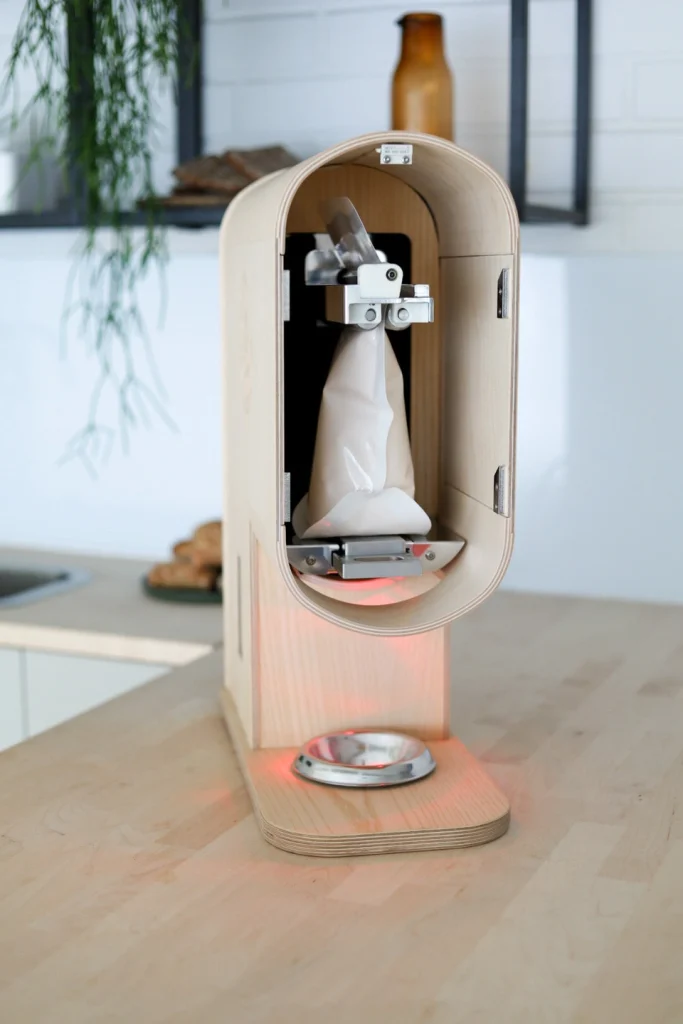
FOODDUCK® was born from the idea that there should be a better way to serve spreads. By dispensing an appropriate amount directly onto the bread, the spread can be used as efficiently as possible. Automatic dispensing keeps portion sizes consistent and helps reduce spread waste and unnecessary spillage from one meal to the next.
When the same small choice is repeated hundreds of times every day, its impact can quickly become significant.
Environmentally friendly pouch reduces waste and costs


After a meal, a traditional openen spread tub often ends up in the bin for hygiene reasons. In a FOODDUCK® dispenser, the spread is protected from light and contaminants, allowing it to be safely used at the next meal. Any spread remaining in the pouch can also be used in food preparation. This means usable spread does not need to be thrown away after a meal, but the contents of the pouch can be used to the fullest. This helps reduce both waste and unnecessary loss.
The economic aspect is also important. Waste always comes at a cost. When as much as possible of the purchased spread ends up on diners’ bread, the money spent on the raw material is used more efficiently. As waste is reduced, the savings can be put to other uses in the everyday work of food service.
There is concrete evidence of this from numerous schools, including in Borås, Sweden. At a school with around 400 pupils, the use of FOODDUCK® spread dispensers has been estimated to generate significant annual cost savings. Today, spread dispensers are used at 15 schools in the Municipality of Borås.
Read the customer reference from Borås to see how improved hygiene, reduced waste and measurable savings are making a difference in everyday school restaurant operations.
Less packaging waste is a concrete environmental action

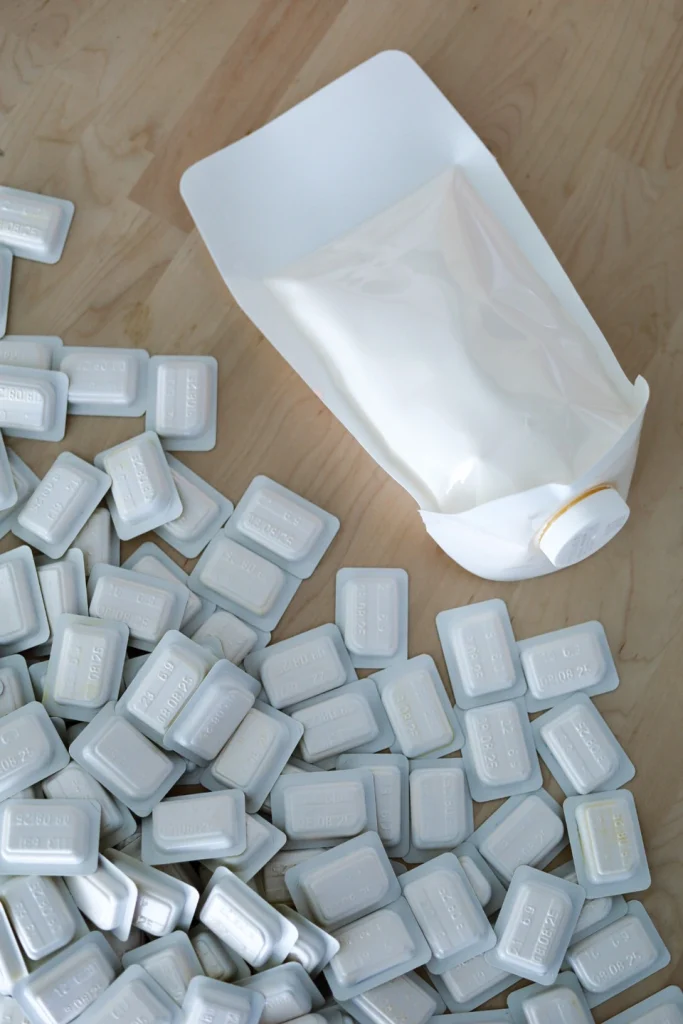
During ESDW, attention is drawn to how today’s choices can contribute to a more sustainable future. In food service, the use of packaging materials is one concrete aspect to consider. When large numbers of diners are served, large quantities of packaging are also used, making both the amount and choice of materials significant. The EU’s new Packaging and Packaging Waste Regulation (PPWR) brings significant changes to the industry, and its effects are gradually becoming visible in food service as well. That is why it is already worth reviewing the amount of packaging used and the materials it is made of.
FOODDUCK® spread dispensers use a larger pouch to serve spreads. This makes it possible to remove small portion packs and traditional spread tubs from the bread station. The difference in the amount of waste generated is significant: with a spread dispenser, packaging waste and plastic use can be reduced by up to 90% compared with portion packs. FOODDUCK® pouches are also completely aluminium-free, making them easier to recycle.
From a theme week to part of everyday practice
ESDW will eventually come to an end. But its most important idea can stay with us throughout the year. Not everything needs to change at once. What matters is finding solutions that work so well in practice that a more responsible alternative does not feel like extra work, but instead makes everyday life easier.